
Home/Services/Luminar Carbon
Carbon and climate advisory in Malaysia. Carbon is now a line in the accounts.
We help companies in Malaysia and ASEAN measure their carbon footprint, including Scope 3, build a net-zero plan the budget can pay for, report climate risk under IFRS S2, and get ready for carbon pricing, carbon markets and external assurance.
Why now · Malaysia
Policy to enforcementThe National Carbon Market Policy, approved in April 2026, sets up a national registry, a standardised MRV framework and eligibility rules on additionality and double counting, with memoranda of understanding on Article 6.2 cooperation signed with Singapore and South Korea.
Carbon markets · Assurance readinessA carbon tax on iron, steel and energy was announced in Budget 2026; its timing is now on hold while the carbon market is built and the Climate Change Bill is finalised. Since January 2026, carbon-intensive imports into the EU carry a carbon cost under the border carbon mechanism, paid through certificates from February 2027.
Decarbonisation · Energy transitionValue-chain emissions disclosure phases in from 2027 under the National Sustainability Reporting Framework, with external assurance of Scope 1 and 2 from 2028. Estimates become tested numbers.
Carbon accounting · Assurance readinessCredits carrying the Core Carbon Principles label command a premium while unlabelled stock is discounted, and rules on unsubstantiated climate claims are tightening.
Carbon markets · Climate riskSix services, from the number to the market
Measure, plan, stress-test, procure, trade, verify.
The services run in the order a company usually needs them. Most clients start with the first and the last. Choose a step, or let it play.
Service 01 · Measure
Carbon accounting and Scope 3
“What do we actually emit across all three scopes, and will the number survive a verifier?”
What you leave with
An inventory the board can disclose and an assurer can test, a Scope 3 picture with the hotspots named, and a system that produces next year's number without starting again.
Greenhouse gas inventories to the GHG Protocol and ISO 14064, with boundaries, data trails and estimation choices documented the way an assurance provider will want to see them.
Greenhouse gas inventory, Scope 1 and 2
Boundaries, activity data, emission factors and a verification-ready inventory with controls.
Scope 3 mapping and supplier programme
Screening the fifteen categories, finding the hotspots, and supplier data requests SMEs can answer.
Product and project carbon footprints
Cradle-to-gate or cradle-to-grave, including embedded emissions for border-carbon declarations.
MRV system design
The data architecture and governance that keep the inventory current and credible year on year.
Service 02 · Plan
Decarbonisation strategy and roadmaps
“What does net zero cost us, which levers pay back, and in what order?”
What you leave with
A roadmap with a cost curve, a capital schedule and owners; a target the board has approved knowing what it will take; and a financing case for the levers that need outside capital.
Roadmaps built from the asset base up, with each lever costed, sequenced and tied to the capital plan, so the board approves a programme rather than an ambition.
Baseline, ambition and target architecture
Science-aligned and regulator-aligned targets, interim milestones and the governance that owns them.
Marginal abatement cost analysis
Every lever with its tonnes, cost per tonne, payback and dependencies.
Decarbonisation roadmap and capital plan
Sequencing, capital and operating cost, and green and sustainability-linked financing options.
Sector roadmaps
Iron and steel, cement, chemicals, plantations and manufacturing exporters.
Service 03 · Stress-test
Climate risk and scenario analysis
“Which climate futures should we plan against, and what do they do to our assets and our balance sheet?”
What you leave with
A scenario analysis that satisfies IFRS S2, a financial impact the CFO will stand behind, and a transition plan the board has approved.
Transition and physical scenario analysis that a board can follow and a CFO can put a number on, in the structure IFRS S2 expects.
Climate risk and opportunity identification
Transition and physical risks across the value chain, time horizons and materiality.
Scenario analysis
What each scenario does to demand, cost, assets and financing.
Financial impact quantification
Revenue, cost, impairment and capital effects the finance function can disclose.
Transition plan
What the company will do about the risks and opportunities, with milestones and governance.
Service 04 · Procure
Energy transition and renewable procurement
“How do we buy, build or partner for cleaner energy without paying for it twice?”
What you leave with
An energy pathway with the economics of each option side by side, procurement terms negotiated rather than accepted, and partnerships whose governance will survive the first year.
The choice between buying, building and partnering, from renewable procurement and power purchase agreements to on-site solar, electrification and alternative fuels.
Energy transition strategy
Efficiency, electrification, renewable supply and alternative fuels, sequenced against cost and policy.
Renewable procurement and PPA structuring
Options under Malaysia's green electricity and corporate renewable programmes.
Clean-energy ventures and partnerships
Venture formation, partner selection and governance for solar, EV charging and storage.
Hydrogen, ammonia and alternative fuels readiness
Technical and commercial readiness where relevant to the asset base.
Service 05 · Trade
Carbon markets and instruments
“Should we buy, sell or make carbon, and at what price should we plan?”
What you leave with
For corporates, a carbon price in the investment process and a credit strategy that will not embarrass the board. For developers, a credit engineered from day one to be recognised where it will be sold.
Internal carbon pricing and credit strategy for corporates, and a phased pathway for project developers to a credit tradable on Bursa Carbon Exchange and premium international venues.
Internal carbon pricing
Shadow price or internal fee, so carbon cost shows up in decisions before it shows up in tax.
Carbon credit strategy for corporates
When and how to use credits within a net-zero claim, and quality criteria.
Carbon project development pathway
Feasibility, methodology, additionality, registration and independent validation. Phased and gated.
Article 6, registry and policy readiness
Positioning for the national registry and Article 6.2 cooperation.
Service 06 · Verify
Assurance and verification readiness
“When the verifier arrives, what will they test, and will it hold?”
What you leave with
An inventory and control environment that pass assurance first time, a documented basis for every number the board signs, and an audit committee that knows what it is approving.
Controls, data trails, documentation and governance prepared for an assurance provider under ISAE 3000 or ISO 14064-3, delivered with certified lead verifiers.
Assurance readiness assessment
A gap scan of inventory, controls and documentation with a prioritised remediation plan.
Internal controls over sustainability information
Controls, roles and sign-offs that make emissions data auditable.
Mock verification
A dry run before the real one, with findings closed in private.
Verifier and assurer selection
Scoping, selecting and managing the independent provider, at arm’s length.
Decarbonisation priced against the capital plan
A roadmap the CFO cannot fund is not a roadmap.
Every lever carries a cost, a payback and a place in the sequence. The abatement cost curve shows the board which levers pay back, which cost money, and in what order to pull them.
Point at a bar, or tap it, to see the lever.
Three commitments to every client
Numbers built to be verified
Every inventory, baseline and reduction claim is built to the standard an independent verifier will test, from the first spreadsheet.
Decarbonisation priced against the capital plan
Every lever carries a cost, a payback and a place in the sequence.
Integrity over speed in carbon markets
Luminar never certifies its own work. Validation and verification are independent and accredited.
Who we work with
Companies whose climate exposure is material.
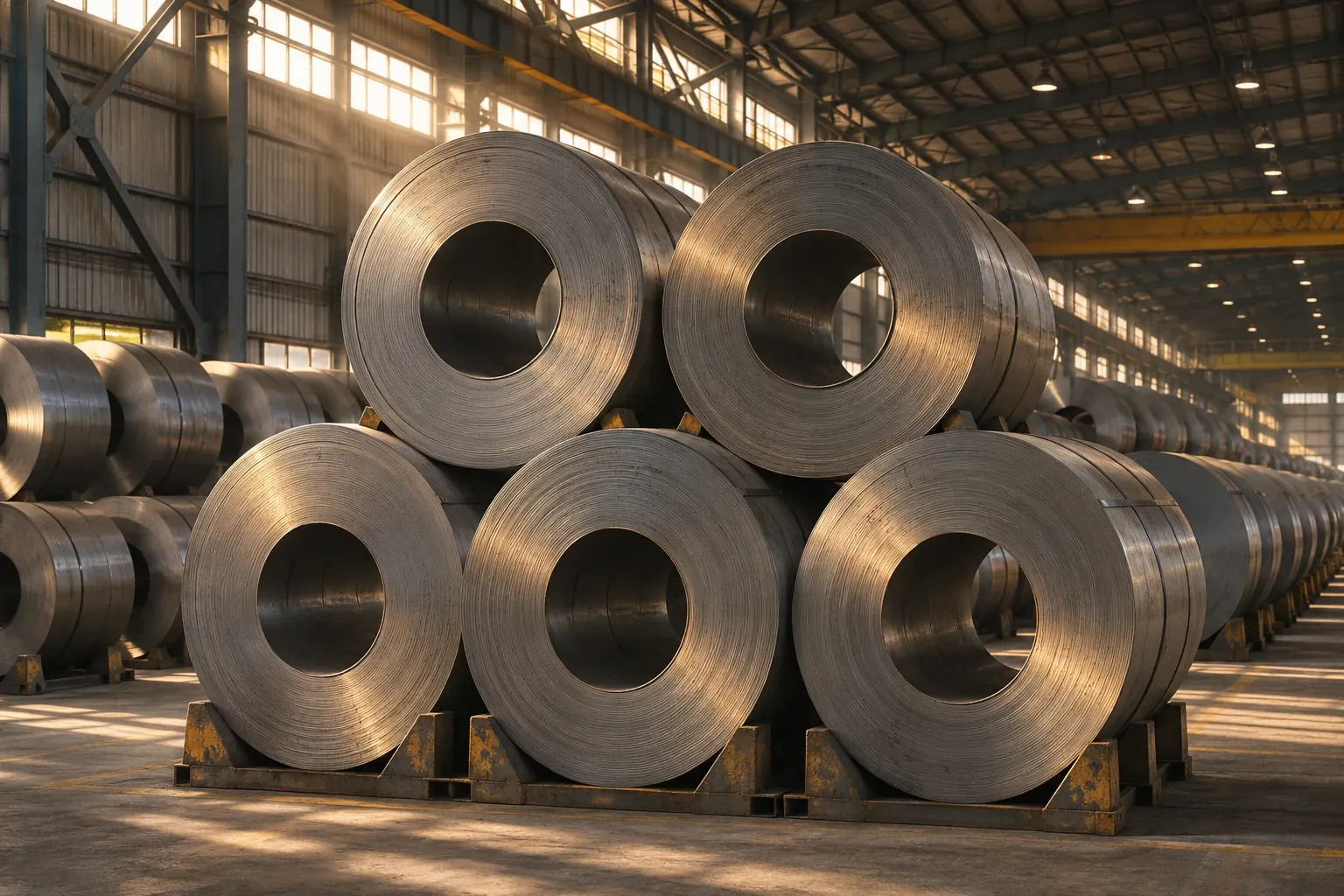 Iron and steel · cement · chemicals · energy
Carbon-intensive listed companies
→Energy, petrochemicals, iron and steel, cement, plantations and manufacturing exporters facing a carbon price, border-carbon charges, Scope 3 and assurance.
Project developers and circular-economy operators
→Businesses whose operations avoid or remove emissions and who want that impact measured, accredited and, where it qualifies, turned into tradable carbon.
Financial institutions and investors
→Banks, funds and sukuk issuers facing financed-emissions and climate-risk expectations, or financing decarbonisation and carbon projects.
Government-linked companies and groups
→Organisations with portfolio-wide exposure that need a consistent method across subsidiaries and jurisdictions.
Geography. Malaysia first, with work across Singapore, Indonesia, Brunei and the wider ASEAN region, including cross-border Article 6 cooperation.
Work we can point to · the ledger
Four engagements led by the practice's founder.
Client names are anonymised in line with Luminar's confidentiality practice. References are available on request, subject to client permission.
Net-zero pathway for a listed energy company
The full sustainability roadmap and net-zero execution plan for a Bursa-listed downstream energy company, from baseline and target architecture through governance, KPI design and the strategic plan.
Clean-energy rollout at national scale
A clean-energy rollout across Malaysia, including EV charging and solar partnerships, and the non-fuel growth strategy around it.
Partnerships on multi-billion-dollar energy projects
Governance and value-creation frameworks for cross-border partnerships with global counterparties on downstream energy and petrochemical developments.
Carbon-cost and border-carbon readiness for heavy industry
A phased programme: verified baseline and gap scan, carbon-cost and border-carbon exposure, abatement levers, and a costed roadmap with financing options.
How we engage
Phased, gated and verification-ready from the first phase.
Diagnostic
Four to eight weeks, fixed fee
A board paper with the baseline, the exposure and a recommended path.
Programme
Two to twelve months, phased and gated
The outcome itself: a verified number, an approved roadmap, a registered project.
Carbon counsel
Six to twelve months, monthly
A senior adviser inside the tent, with quarterly board-level updates.
Independence protected
Luminar designs, builds and prepares. Validation, verification and assurance are performed by independent accredited bodies, at cost and at arm's length.
Specialists under one accountability
Certified lead verifiers, nature-based carbon specialists and quantitative modellers deliver under Luminar's leadership and engagement letter.
Engagement letter first
Scope, phases, fees, confidentiality and conflicts in writing before any work begins. Client names are never used without permission.
Start with the number, or the decision that depends on it.
- 1
Conversation
Your exposure, your data and the decision that depends on them.
- 2
Review
We read your inventory, disclosures, assets and commitments.
- 3
Proposal
A phased, gated engagement with outcomes and fees, within ten working days.
- 4
Engagement letter
Scope, phases, fees, confidentiality and conflicts in writing.
- 5
Delivery
Led personally, built for verification, reported to the board at each gate.